
Why is the liver the key to our health?
Liver health is the foundation of our overall health, as this organ performs more than 500 vital functions. When liver health is compromised, the entire body suffers – from metabolism and digestion, to hormones and detoxification. Understanding how to protect liver health is key to long-term well-being.
At all times – during breathing, digestion, hormonal regulation and daily activities – the liver maintains perfect homeostasis, the silent balance that keeps us alive. “Maintaining liver health is crucial for stable metabolism and detoxification.”

Anatomy of the liver and how it affects liver health
Where is the liver and what does it do?
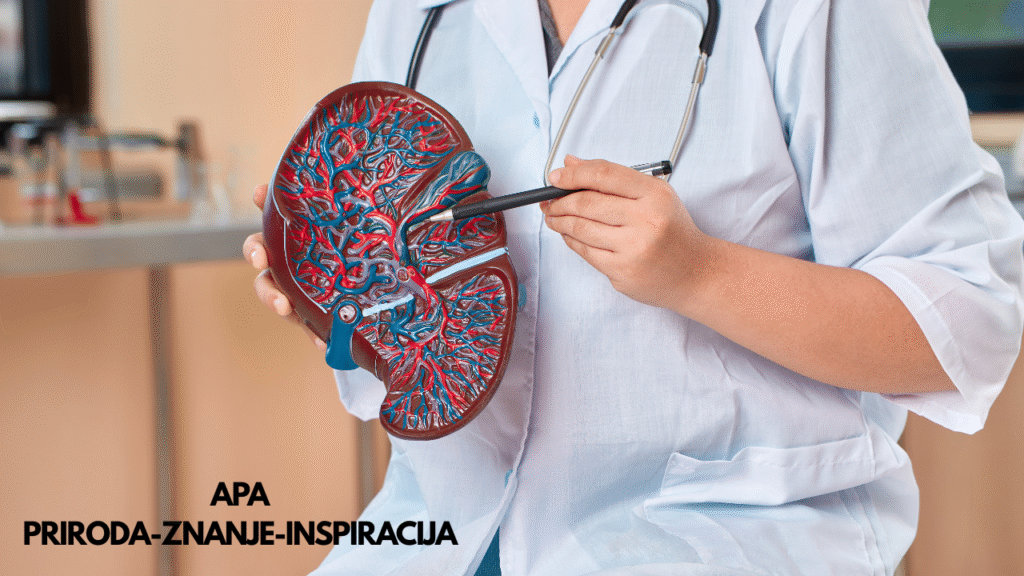
The liver is located in the upper right part of the abdominal cavity, below the diaphragm and is protected by the ribs. It consists of two main lobes, and on its lower side is the gallbladder, responsible for storing bile.
Key functions of the liver include:
- Detoxification: Filtering blood from the digestive system, breaking down toxins, metabolizing drugs and alcohol.
- Fat metabolism: Production of bile, necessary for proper digestion and absorption of lipids.
- Glucose regulation: Storing sugar in the form of glycogen and releasing it into the blood to keep glucose levels stable.
- Protein synthesis: Production of blood clotting factors and other important proteins.
Because of these functions, any serious damage to the liver can have consequences for the entire body. However, the liver has an extraordinary ability to regenerate even after severe damage.
Symptoms that warn of impaired liver health
Liver pain most often occurs under the right rib cage and may radiate to the back or right shoulder. It is usually dull, throbbing, but can also be sharp.
It is characteristic that the pain intensifies:
- when breathing deeply
- during physical exertion
- when pressing on the right upper quadrant
Other alarming symptoms of liver disease:
- jaundice (yellowing of the skin and eyes)
- dark urine and light stools
- edema and ascites (swelling of the ankles and accumulation of fluid in the abdomen)
- mental changes – confusion, mood changes (hepatic encephalopathy)
- chronic fatigue, nausea, loss of appetite and weight
“"Symptoms of impaired liver health are often subtle and develop slowly."”
The most common diseases that threaten the health of the liver
Liver diseases can be acute or chronic, and most chronic conditions, if left untreated, lead to cirrhosis.
Fatty liver (steatosis)
Fatty liver occurs when fat accumulates excessively in liver cells - hepatocytes. There are two types:
- alcoholic fatty liver disease (ALFD)
- non-alcoholic fatty liver disease (NAFLD/MASLD) - most often associated with obesity, type 2 diabetes and poor nutrition
- “"Fatty liver is one of the most common causes of impaired liver health."”
Treatment is based on:
- weight loss
- a healthy diet rich in fiber and whole foods
- increasing physical activity
- complete abstinence from alcohol (if it is the cause)
Liver cirrhosis
Cirrhosis is the final stage of chronic liver disease, when permanent scarring and loss of organ function occur. The most common causes:
- long-term alcohol consumption
- chronic hepatitis B and C
- advanced fatty liver
Treatment:
- removal of the cause of the disease (antiviral drugs, abstinence)
- monitoring of complications (ascites, encephalopathy, varicosities)
- liver transplantation in severe cases
3. Hepatitis (liver inflammation)
Hepatitis can be caused by:
- viruses (A, B, C, D, E)
- toxins and drugs
- autoimmune disorders
Treatment depends on the type of hepatitis:
- antiviral drugs
- corticosteroids and immunosuppressants in autoimmune hepatitis
For more detailed advice on strengthening immunity and preventing inflammatory conditions, we recommend reading our text about strengthening the immune system. https://apachannel.com/forever-aloe-vera-gel-za-probavu-i-imunitet/
Diagnostics and monitoring of liver health
How are liver diseases diagnosed?
The diagnostic procedure usually includes:
- laboratory analyses – ALT, AST and other parameters
- liver ultrasound – detection of enlargements, tumors, hemangiomas, cysts and fatty liver
- elastography (Fibroscan®) - assessment of hardness and fibrosis of the liver
If non-invasive methods do not give the final picture, it is done liver biopsy.
“"Regular tests are important for long-term liver health."”
Natural support and regeneration for liver health
Although the liver has a unique ability to regenerate, its recovery is significantly dependent on nutritional support.
Whey
Whey is an excellent source of protein, especially cysteine, an amino acid that participates in the synthesis of glutathione – the most powerful antioxidant in the human body. Regular use of whey can contribute to:
- detoxification
- strengthening regeneration
- reducing oxidative stress
Milk Thistle
It contains silymarin, a compound known to protect liver cells and support detoxification.
Artichoke
It stimulates the natural production and flow of bile, facilitates the digestion of fats and relieves the liver.
“"Whey and sikavica are two natural allies for better liver health."”
APA professional note
The process of hepatocyte regeneration is at the core of homeostasis. Support for this process must be based on scientifically validated nutritional interventions – and whey and silymarin hold a special place here.
Prevention - how to maintain liver health every day
Prevention of liver disease begins with understanding risk factors and adopting healthy habits.
The most important preventive measures:
- maintaining a healthy body weight
- blood sugar and fat regulation
- avoiding alcohol or maximum moderation
- protection against viral hepatitis B and C
- diet rich in antioxidants
Untreated liver disease can lead to:
- enlarged, hard liver
- ascites
- liver lesions and tumors
- complete liver failure
In such cases, the only solution may be a transplant.
For more information on global treatment guidelines, we recommend visiting official guidelines of the World Health Organization. https://www.who.int
Questions for readers
- What dietary change are you planning to make to support liver health?
- Have you ever used whey, sikavica or artichoke and what are your experiences?
- Which diagnostic tests do you consider the most important for the early prevention of liver disease?
Don't wait for the liver to send a warning!
Give your liver a chance to rest and regenerate.
By including aloe vera gel in your morning routine, you support better digestion, hydration, and gentle detoxification – three key factors for liver health.