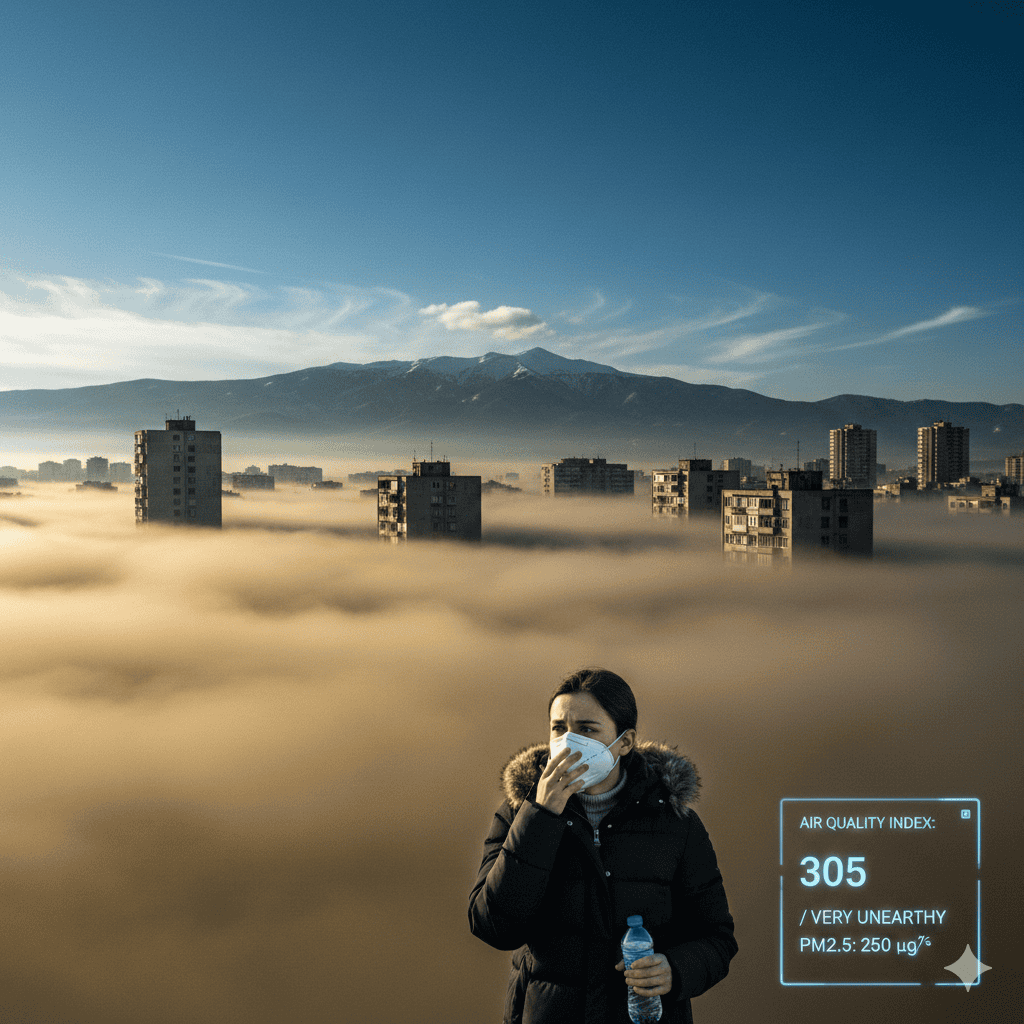

How smog affects the body: A comprehensive analysis and guide to health protection
More than just fog
Smog is not just an aesthetic problem or poor visibility on the road. It is a complex mixture of particulate matter, nitrogen oxides and ozone that directly attacks every system in your body. As you walk through the city where the air is visible, your lungs and bloodstream become the first line of defense that often loses the battle.
In this APA guide, we'll explore the mechanisms by which pollution enters our bloodstream, why PM2.5 particles are more dangerous than you think, and how you can use natural resources to minimize the damage.
1. What do we actually breathe? (Professional analysis)
Smog consists of several components, but the most critical for health are:
- PM10 and PM2.5 particles: These numbers indicate microns. While PM10 remains in the upper respiratory tract, PM2.5 particles are so tiny that they pass through the alveoli and enter the bloodstream directly.
- Sulfur dioxide ($SO_2$): It is produced by burning coal and causes immediate irritation of the throat and eyes.
- Ground-level ozone: A powerful oxidant that “burns” the mucous membrane of the respiratory tract.
2. Path of toxins through the body: From the nose to the heart
When you inhale polluted air, the damage process proceeds in stages:
A. Respiratory system (First impact)
As soon as it enters the nose, the smog irritates the mucous membrane. The body responds by coughing and increased secretion of mucus. Long-term exposure leads to chronic bronchitis and asthma. In children, this can permanently reduce lung capacity.
B. Cardiovascular System (Silent Killer)
This is the part that many overlook. PM2.5 particles in the blood cause systemic inflammation.1 Blood becomes thicker, blood pressure rises, and the risk of heart attack and stroke increases dramatically during days with high pollution.
C. Brain and nervous system
Recent studies show that fine particles can reach the brain directly via the olfactory nerve, contributing to the development of inflammatory processes that are associated with depression and cognitive decline.
3. APA Guide: How does smog cause oxidative stress?
At the heart of the problem that smog causes is oxidative stress.2 Pollutants generate free radicals that damage your cells.
- Solution: To defend yourself, your body needs a huge amount of antioxidants (vitamins C, E, and selenium). Without them, your cell membranes “crack” under the onslaught of smog.
4. How to cleanse the body? (Actionable – Action steps)
You can't change the air in a city overnight, but you can strengthen your body:
- Nasal irrigation: Use a saline solution every night to wash away the build-up.
- Hydration: Water helps the lymphatic system flush out toxins.
- Diet rich in chlorophyll: Green leafy vegetables help bind heavy metals.
5. The role of supplements in the fight against pollution
When the air is toxic, food is often not enough. Here's what the APA standard recommends:
- Aloe Vera Gel: It acts as an "internal shower". Its enzymes help the liver to process the toxins you have inhaled more quickly. https://apachannel.com/aloe-vera-gel-probava-imunitet-i-kako-ga-koristim-apa-vodic/
- Omega-3 fatty acids: They are crucial for reducing inflammation in blood vessels caused by PM2.5 particles. https://apachannel.com/forever-omega-3-artic-sea/
- B-complex: Vitamins B6 and B12 help protect DNA from damage caused by pollution.3
6. Comparison table: Staying outside vs. Staying inside
| Activity | Impact of smog | Recommendation |
| Running/Training outdoors | Extremely high (deep inhalation) | Avoid while AQI is above 100 |
| Walking with a mask (FFP2) | Reduced by 90% | Mandatory with high pollution |
| Staying inside (without a filter) | Medium (smog enters through cracks) | Use air purifiers |
| Ventilation | High particle intake | Just a short while, in the middle of the day (when the sun is out) |
7. Mental health and "Greyness" of smog
Long-term smog doesn't just affect the lungs. The lack of sunlight and constant grayness lead to seasonal depression. This is especially pronounced among our diaspora who return to their homeland during the winter.
(Link to: Diaspora Mental Health - Challenges and Stress)
8. APA Tips for Home Care During Pollution Season
- Cleanse your skin: Smog clings to pores. Use mild soaps based on Aloe Vera to prevent inflammation on the face.
- Drink tea: Warm drinks like herbal tea help the mucous membrane of the throat stay moist, which is the first barrier against bacteria from smog.
9. What do practical experiences say?
Users who regularly use Aloe Vera Gel and antioxidants report that they breathe much easier during the winter. There is less morning cough and scratchy throat. The key is to provide continuous protection, not react only when you get sick.
Bottom line: Don't ignore the signs your body is sending you
If you experience burning eyes, a metallic taste in your mouth, or unexplained fatigue during smoggy days – your body is warning you. Pollution is a reality in our spaces, but with proper protection, detoxification, and awareness (the APA approach), you can significantly reduce its effects.
Call to action (CTA)
Do you want to strengthen your body and protect your lungs this winter?
Check out our recommendation for a Detox package that includes pure Aloe Vera Gel:
👉 Order a detox package here