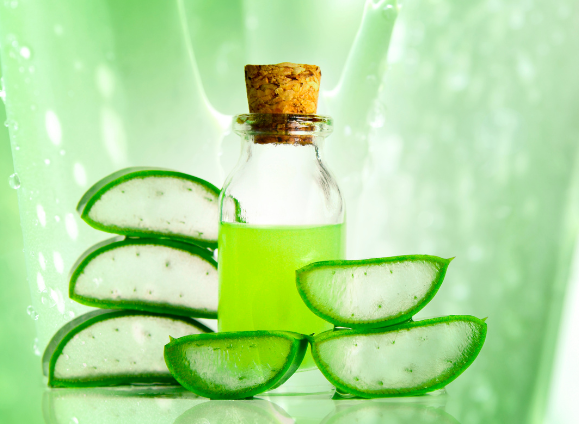
The quality of aloe vera does not start in the bottle, but in the land where the plant grows.
Key Takeaways
- Variety Aloe barbadensis Miller It is considered the most researched and biologically active species used in quality products.
- The microclimate of warm and sunny regions significantly influences the development of polysaccharides within the leaf.
- The plant must mature for at least 3–4 years to reach its full nutritional potential.
- Rapid post-harvest processing is crucial for preserving the enzymes and biological activity of the gel.
- Taste, odor and viscosity often tell the difference between a stable and a degraded product.
Introduction – Quality begins in the soil, not in the bottle
In a market flooded with terms like „natural,“ „organic,“ and „100% pure,“ consumers often find themselves in a fog of marketing messages. The label “Aloe Vera” has become almost universal, but the reality is that behind the same name lie products of completely different quality.
The quality of aloe vera is not a coincidence or the result of a label. It is the result of a long chain of processes that begins in the soil, passes through the biology of the plant and ends in the way it is processed. This apa guide explains why the user experience — that feeling when you first try a stable, natural gel — often reveals more than advertising.
Anatomy of aloe vera quality
1. Cultivation – Where it all begins (Terroir and genetics)
Although there are hundreds of species of aloe, Aloe barbadensis Miller is the variety most often used in serious products. However, genetics are only one part of the equation. The other part is the environment in which the plant grows.
Warm, sunny, and dry climates allow the plant to photosynthesize optimally and develop complex sugars—polysaccharides. These compounds, including acemannan, are found in the inner gel of the leaf and are often associated with biological activity.
Aloe vera works like a sponge: it absorbs everything from the soil — minerals, but also possible pollutants. That's why clean soil is crucial. The age of the plant is another key factor. It is only after three to four years that the leaves reach maturity, in which the concentration of nutrients becomes significantly higher.
Conclusion: the biology of the plant determines the basis of quality long before industrial processing.
👉 You can read more about the effects of aloe on the body in our APA guide on aloe vera and digestion. https://apachannel.com/aloe-vera-gel-probava-imunitet-i-kako-ga-koristim-apa-vodic/
2. Harvesting – A race against time and its impact on aloe vera quality
As soon as the leaf is cut, the oxidation process begins. Much like an apple that darkens in the air, aloe gel loses stability when exposed.
A quality harvesting system includes:
- Selection of mature outer leaves
- Minimal damage during cutting
- Same day processing
The bark of the leaf contains aloin, a substance that the plant uses as a protector. Although natural, in larger quantities it can be irritating, so it must be removed carefully.
3. Processing - Where science preserves the nature and quality of aloe vera
Aloe vera processing is not a matter of change, but of preservation. There are methods that use high temperatures, but in the context of preserving enzymes and polysaccharides, stabilization processes at lower temperatures are often mentioned.
A distinction is made here between products made from freshly processed gel and those using reconstituted powder. The drying and re-dissolution process may affect the structure of the polysaccharides.
3.1 Stabilization – the key to long-term quality Aloe vera
Stabilization is a crucial step because it directly affects the quality of aloe vera in the final product.Fresh gel is biologically active, but also sensitive. Without proper stabilization, enzymes and polysaccharides begin to break down within hours.
A stable product remains uniform in structure, without separation or change in odor. When a bottle maintains its consistency for weeks, it is often an indication of a carefully controlled process.
4. Aloe vera quality control – Personal experience as litmus paper
Without a laboratory, the consumer cannot measure the concentration of polysaccharides, but can notice the differences.
I bought a cheaper "bio" product from a health food store. I noticed:
- Sharp, sour taste
- Thinner texture
- Separation of content after a few days
The higher priced product was:
- Milder, more natural taste
- Stable structures
- No precipitation
This experience does not provide a chemical analysis, but indicates that stability and processing play a significant role.
Table - Quality path from field to user
| Phase | What makes the difference? | How does it appear to users? |
|---|---|---|
| Breeding | Climate, soil, age of the plant | Gel strength and stability |
| Harvest | Processing speed | Freshness of taste |
| Filtration | Aloin removal | Better tolerability |
| Stabilization | Controlled processing | Preserved structure |
| Testing | Batch control | Product consistency |
The ApA view – The psychology of trust
Trust is not built by advertising, but by consistent experience. When a product tastes and textures the same every time, the brain forms a pattern of trust. Consistency in taste and texture is often a sign of stable aloe vera quality.
Thinking routine:
- Where does the plant come from?
- How it was processed
- Is there transparency of the process
Consistency creates a sense of reliability even without understanding chemistry.
👉 The Aloe barbadensis Miller variety is the most commonly used in research, which you can read about on Wikipedia. https://en.wikipedia.org/wiki/Aloe_vera
ApA Q&A
1. Does more expensive aloe vera automatically mean better quality? Not necessarily, but a low price is almost always a red flag. It is impossible to grow a plant for 4 years, harvest it by hand, stabilize it within a few hours and sell it for the price of ordinary apple juice. The price reflects the costs of preserving biological activity.
2. Why do some products settle or change color in the bottle? It is a sign of instability. Quality aloe vera, thanks to cold stabilization, remains the same from the first to the last day of opening (with proper storage in the refrigerator). A change in color to brown is direct evidence of oxidation - such a product no longer has nutritional value.
3. Does the "Bio" certificate guarantee quality? The "Bio" certificate refers to the absence of pesticides, which is commendable. However, it does not guarantee that the leaf was ripe or that the gel was not cooked at high temperatures. So "Bio" is a good start, but the stabilization process is what determines the final result.
How does this information help with your choice?
Understanding how the quality of aloe vera is created changes the way we choose products. When we know how important the age of the plant, the speed of processing and the stability of the gel are, we become more aware of what we are putting into the body. The transparency of the process often says more than any slogan, and it is precisely this approach that forms the basis of any serious one guide book for natural health.
3 ApA –Questions for readers ?
- Do you know where the aloe vera you use comes from?
- Have you ever noticed a difference in taste between products?
- Do you check how the product was processed or just the label?
Sales Disclaimer
This text is for educational purposes only and combines general information about the manufacturing process with personal observations. It does not constitute medical advice or a recommendation for a specific product. Decisions about purchase and use should be made independently and, if necessary, with the advice of a professional.