St. John's wort oil and tea have held a special place in the folk medicine of the Balkans for centuries. St. John's wort (Hypericum perforatum), also known as Lady's grass, is especially appreciated when it grows in mountainous areas like Velebit, where unpolluted nature, strong sun and harsh conditions encourage the plant to create strong protective compounds.
This plant is not just a decoration for pastures – it is a natural ally for mental tension, mild depression, but also a powerful preparation for skin regeneration. In this apa guide we explain how to use St. John's wort oil and tea correctly, with clear safety guidelines.
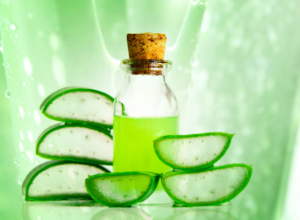
Natural Aloe Vera for body support, energy and daily balance.
APA analysis of the medicinal properties of St. John's wort
According to apa analysis and modern phytotherapeutic research, the action of St. John's wort is based on several key bioactive compounds:
Hyperforin – affects neurotransmitters (serotonin, dopamine and noradrenaline) and is responsible for antidepressant action
Hypericin - gives the oil its characteristic red color, it has antiviral and antibacterial properties
Flavonoids – act as powerful antioxidants and protect cells from oxidative stress
⚠️ Important note: Hypericin increases the sensitivity of the skin to UV radiation. St. John's wort oil should not be applied immediately before sun exposure.
If you have St. John's wort oil aged for a year in a dark place, it is an exceptionally high-quality macerate. Such oil has stable active compounds and is ideal for external use.
Skin care and regeneration
St. John's wort oil is traditionally used for:
burns and minor wounds
scars and stretch marks
hemorrhoids (reduces inflammation and irritation)
vaginal irritations (only on the advice of a doctor)
Muscle and joint massage
Due to its deep penetration into tissue, St. John's wort oil is an excellent choice for:
rheumatism
lumbago
muscle pain after physical exertion
St. John's wort oil and tea - a natural response to stress
While the oil is used externally, St. John's wort oil and tea together they provide a holistic approach – to the body and the nervous system.
Antidepressant effect
Numerous studies confirm that St. John's wort is effective in mild to moderate depression, nervousness and sleep problems. The action is gradual, and the first effects are usually felt after 3–4 weeks of regular use.
⏳ How long to drink St. John's wort tea? (apa guide)
Although St. John's wort tea is natural, its long-term and continuous use is not recommended.
✔️ Recommended drinking cycle
To drink tea 3 to a maximum of 6 weeks continuously
After that, you must do a break of 2 to 4 weeks
This cycle:
reduces the risk of drug interactions
allows stabilization of the nervous system
prevents the body from getting used to active substances
🔁 Can the cycle repeat itself?
Yes. After a break, the tea can be drunk again if necessary, with careful monitoring of the body's reactions.
Benefits of St. John's wort oil and tea – a quick overview
antibacterial effect
antiviral support (herpes)
calming effect in insomnia
reducing sciatica pain
For additional inspiration and mental balance, it is useful to read the text about the power of the present moment, while for responsible decision-making about care and routine, it is also recommended ApA readiness test for a dog. https://apachannel.com/apa-test-spremnosti-za-psa/
For those who want standardized and proven herbal remedies, combining homemade remedies with professional solutions can be a long-term solution. More information is available through Forever Living Sale & Promotion.https://foreverliving.com/shop/deu/en-de/drinks
Conclusion
Do you have your own experience with with St. John's wort oil and tea? A bottle from the mountain often contains more health than an entire home pharmacy. Share your experiences in the comments and follow the ApA channel for more apa analysis, apa guides and nature recipes.
A standard that your body recognizes
The highest quality Aloe Vera preserves its structure, purity and nutritional value thanks to a controlled processing process. This is not marketing – it is methodology.