Sarajevo as a city of the elderly: An analysis of silence, economic greed and generational departure
A holiday that brings sadness
Every time I leave Munich for Sarajevo, my heart beats faster. I look forward to the bazaar, the coffee, our spirit that you can't find anywhere else in Germany. But, as soon as the initial excitement wears off, I'm hit by a reality that people who live here don't even notice anymore – because they've gotten used to it. I, who come from the outside, see what they ignore: Sarajevo is quietly and painfully aging.
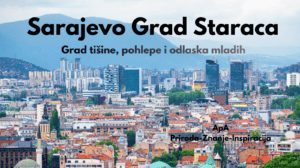
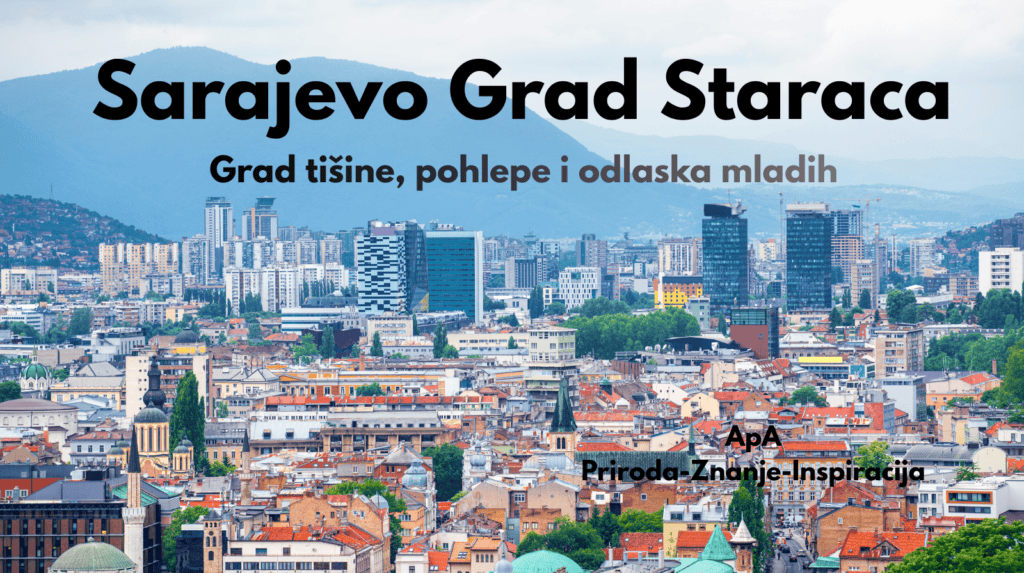
I'm walking with my wife in the bazaar and instead of resting for the soul, I feel a cramp in my stomach. While tourists enthusiastically take pictures of Sebilj, I see a city from which youth has been sucked. The 25 to 35-year-old generation - the people who should be the strength of this city - are almost non-existent. The bazaar at eight in the evening is spooky, and I wonder: for whom does this city remain?
Sarajevo, the city of old people - Where has the youth gone and why is the bazaar empty?
1. Greed that empties the streets
You can't talk about the departure of young people without mentioning coffee for 5-6 marks and kebabs for 15-20. How can a young guy take a girl out if he needs 50 marks for one ordinary evening? This economic greed has driven the domestic paradise out of the city center, leaving the bazaar to those with deep pockets or just passing through.
2. Subjugation of generations (40s, 50s and 60s)
Here we come to the hardest part of the truth. Generations that I call "subjects" are to blame for the current situation. Generations born in the 40s, 50s and 60s are watching the system kill their children's future and not raising their voices.
- Lack of empathy: It's amazing how a parent can calmly watch their child pack their bags without feeling the need to rebel against the injustice that is forcing that child.
- Expelling one's own blood: By remaining silent and bowing their heads to politicians, these generations have become complicit in the exodus. Instead of building a state for their children, they have left it to those who see children as nothing more than numbers at the border crossing.
I call them “"subject generations"” because silence has become a habit with them, and fear has become a character. The philosophy of "not to hold grudges" and "shut up, it's good, just don't shoot" became a noose around the neck of their own children. A parent who calmly watches a child pack his bags, and does not raise his voice against the system that forces that child, is not neutral. He is a direct accomplice.
4. Silence as the worst betrayal
While these generations remained silent, the labor market was destroyed, education rendered meaningless, and dignity reduced to survival from day to day.
- They complain privately, they remain silent in public: At parties and coffee parties, they curse the government, and then in elections they vote out of fear, not hope.
- Voting against children: Every vote for a system that does not offer a future is actually pushing one's own child towards the border crossing. Silence is not peace - silence is a political act by which you sold your grandchildren's future for the apparent stability of your pension.
5. The price of silence: Grandchildren who become strangers
The biggest punishment for this generation of "shitologists" is yet to come. Those parents who bow their heads today will experience the most terrible distance tomorrow.
- Language barrier: They will see grandchildren who speak German, English or French as their mother tongue. They will try to tell them the story of Sarajevo, but the child will not understand them.
- Loss of intimacy: It is a silent genocide of identity – without a shot being fired. When you no longer have a common language with your blood, you have lost everything. You have sold intimacy for a peace that smells of abandonment.
6. Comparative table: Sarajevo once vs. Sarajevo today
| Parameter | Sarajevo (Golden Age) | Sarajevo (Today – City of the Old) |
| Main sound | Laughter of youth on every corner | The silence of empty streets after 8 p.m |
| Coffee price | Available to every worker and student | Luxury adapted to the diaspora and tourists |
| Family status | All together for Sunday lunch | Video calls via WhatsApp and Viber |
| Attitude towards government | Criticism and rebellion | Subservience and fear of resentment |
7. National stories as a smoke screen
While the youth flee, politics offers constant threats and eternal enemies. Nationalism in Sarajevo is not an ideology – it is a tool to hold on to power while the city is being emptied. While the people argue about who is a greater patriot, buses full of patriots leave for Germany. It is a system that lives on your silence and your hatred for others, while it steals the most valuable thing from you: your family.
8. How to preserve yourself in a withering city? (APA Roadmap)
Living in a city that's aging and pushing you out economically is a huge stress. That stress directly affects your immunity and heart.
- Detoxification from apathy: Reduce contact with people who have accepted the role of victim. Don't let their silence become yours.
- Escape to nature: The mountains and forests are the last spaces of freedom. Use Trebević, Igman and Bjelašnica, Jahorina to escape from the valley that suffocates both physically and mentally. read the article about the impact of smog on the body https://apachannel.com/uticaj-smoga-na-tijelo/
- Strengthening the body: The stress of family separation is a silent killer. Use natural allies like Aloe Vera Gel to cleanse the body of toxins produced by chronic stress and sadness. 👉 Aloe Vera Gel – Energy for those who stay
9. Three brutal truths for the end
- „"Sarajevo does not lose its youth because it is poor, but because it has learned to be silent while its children are leaving."“
- „"A parent who votes for a system from which their child is fleeing is not choosing stability - it is choosing silence over the future."“
- „"This is not an exodus of youth, this is the collective defeat of generations that sold dignity for peace without life."“
APA questions for readers:
- Do you also feel that eerie emptiness as you walk through a city where your raja, your godparents, and friends are no longer there?
- Do you think that catering greed in Sarajevo has become a direct tool for the emigration of the local population?
- What would have to happen if the generations of our parents stopped being silent and finally raised their voices for their children and grandchildren?
ApA thought
Sarajevo is not dying from the war. He does not die of poverty. Sarajevo is dying from the silence of those who should have screamed. And as long as the silence is stronger than the truth, the city will remain beautiful on postcards – but empty and cold in reality.