What causes Seasonal Affective Disorder and how to treat it?

With the arrival of cold weather, short days and lack of sunlight, many people notice a drop in mood, fatigue and loss of motivation. If it is repeated year after year, it is most likely about Seasonal Affective Disorder (SAD) — often known as winter depression.
Topic SEASONAL AFFECTIVE DISORDER TREATMENT is becoming more and more important because this condition is much more common than we think. The good news is that it can be recognized and treated successfully, especially if you react in time.
What is Seasonal Affective Disorder (SAD)?
SAP is a form of depression that occurs at the same times every year, most often from autumn to early spring. The main problem is lack of sunlight, which affects two key hormones:
🔹 Melatonin –
It is secreted more in the dark, so in the winter the body produces more of this “sleep hormone.” This is why SAP causes drowsiness and lethargy.
🔹 Serotonin –
lack of light reduces its production. This leads to sadness, nervousness and a drop in motivation.
The most common symptoms of Seasonal Affective Disorder
Find out if you are affected by SAP:
- Constant sadness or listlessness
- Excessive need for sleep, but no sense of rest
- Increased appetite, especially for carbohydrates
- Gaining weight during the winter
- Weaker concentration
- Loss of energy and motivation
- Withdrawal from society
- Lack of interest in activities you used to enjoy
If these symptoms are present for more than two weeks, SAP should be considered as a cause.
SEASONAL AFFECTIVE DISORDER TREATMENT – The Most Effective Methods
SAP is a condition that can be significantly alleviated with the right approach. Here are the most effective methods:
1. Light therapy (Light Therapy) – First line of defense
The most recommended method for SAP.
Using special lamps that simulate daylight (about 10,000 lux) helps in:
- melatonin regulation
- increasing serotonin
- reducing depressive mood
Recommendation: 20–60 minutes a day in the morning.
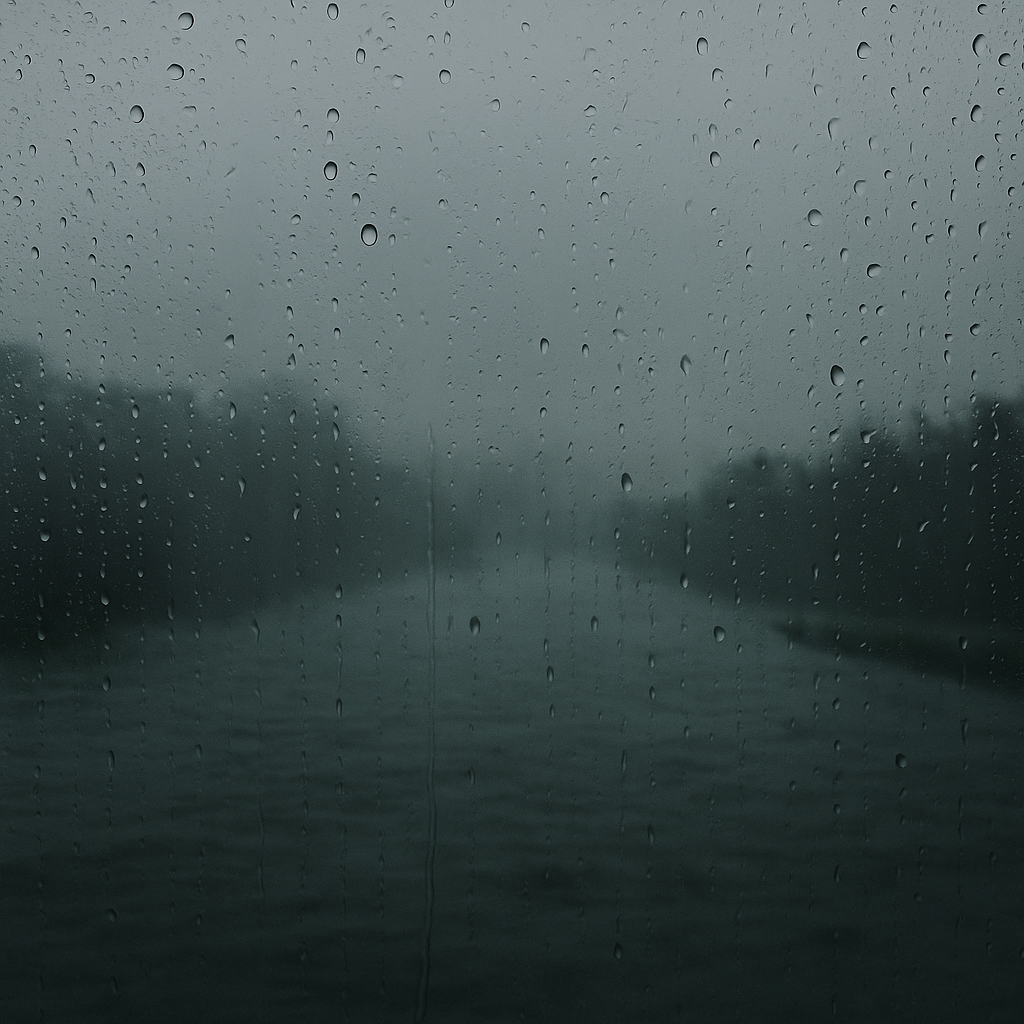
“"Strength is not in the sun, but in the ability to walk in the rain."”
2. Psychotherapy (CBT therapy)
Cognitive behavioral therapy helps change negative thinking patterns and habits that worsen symptoms.
CBT is especially effective in combination with light therapy.
3. Physical activity
Exercise increases serotonin and endorphins — the natural hormones of happiness.
The best choice in winter:
- brisk walk
- light training
- yoga
- stretching exercises
- activities on a cold but sunny day
Do you want to additionally strengthen your immunity with nutrition?
Read: https://apachannel.com/forever-aloe-vera-gel-za-probavu-i-imunitet/
Additional support: Nutrition and supplements
In addition to therapeutic methods, nutrition and supplements can enhance results:
Vitamin D
The most important supplement in the winter months.
But: the dosage must be recommended by a doctor.
Omega-3 fatty acids
They help brain function and stabilize mood.
Proper nutrition
Stabilization of blood sugar reduces the need for carbohydrates.
Eat more:
- fish
- nuts
- fresh fruit
- vegetables
- whole grains
When to seek professional help?
SAP is not “ordinary winter sadness”. If:
- depression interferes with daily life
- you have severe fatigue
- you feel hopeless
- You have thoughts that scare you.
Be sure to consult a doctor or psychotherapist.
Timely treatment prevents worsening of symptoms and accelerates recovery.
How to beat the winter darkness
Seasonal Affective Disorder is challenging, but in the right way treatment, lifestyle changes and a little light every day — it is possible to restore energy, will and positive mood.
Don't wait for spring.
Start your treatment today.
For a deeper understanding of the cause and clinical picture Seasonal affective disorder, we recommend reading more detailed medical articles. https://en.wikipedia.org/wiki/Seasonal_affective_disorder