How the German Bailout Model Can Save the Balkans
German bail model (Pfand) has been preventing plastic from ending up in rivers and nature for decades. While in Germany almost every bottle costs 25 cents and rarely ends up as garbage, in the Balkans rivers like the Drina, Neretva and Bosna are littered with plastic. It's time to consider a solution that works.
And then… you look at the Balkans.
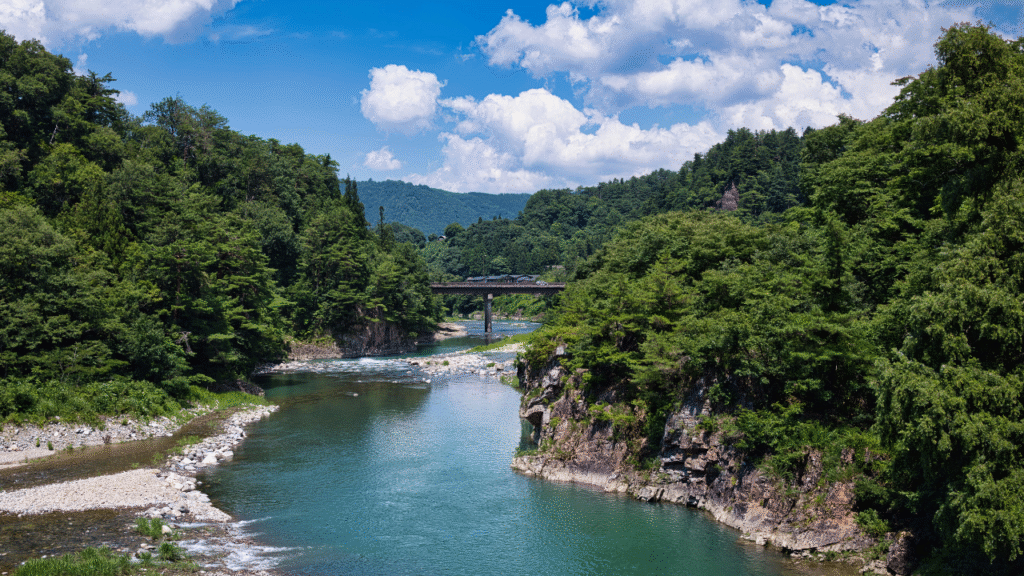
Our beautiful rivers – Drina, Neretva, Bosnia, Tara, Lim – instead of being touristic wonders of nature, they often look like floating landfills.
And it's not just a shame.
That's a sign that system is missing, not love for nature.
This post is a wake-up call:
If we want clean rivers, it is worth considering the German model – Pfand.
🟦 Why does the Balkans need a Deposit System (Pfand)?
The deposit is simple: you return an empty bottle = you get your money back.
But its effect is much deeper.
🟩 1. A bottle stops being trash → becomes value
When you know you can put back in your pocket:
- €0.25 per bottle
- €5 for 20 bottles
- €50 for full bags…
no one throws it away, and many collect.
In Germany, even the homeless support themselves by collecting Pfand.
🟩 2. Recycling rate over 90%
Germany recycles more PET packaging than almost any other country in the world.
Why?
Because people want their money back — simple.
🟩 3. The system is self-financing
Markets charge Pfand, the customer returns it.
The interests of all parties are fulfilled.
„"If we want the future to flow clean, we must clean it today."“
🟥 Shame of the Balkans: How Plastic Chokes Our Rivers
In the Balkans, rivers are the hearts of our countries, but today they are covered with plastic.
Scenes That Bring Tears
Images of dams on the Drina River holding thousands of bottles have traveled around the world.
The Neretva, an emerald-colored river, is often littered with garbage that floats for miles.
The Bosna River carries plastic from its source to its mouth.
It's not just a visual problem.
Ecosystem in Collapse
- Fish ingest microplastics
- Aquatic life is dying.
- Chemicals enter the food chain
- In the end, the man eats it.
This means: we pollute ourselves.
Floods are worse because of plastic
When plastic blocks the trough, the water has nowhere to go.
Rivers are overflowing, villages are suffering, damage is increasing.
One bottle means little.
Millions of bottles – a disaster.
👉 Munich Guide: What to See and Experience in the Bavarian Capital
https://apachannel.com/minhen-vodic/
🟨 Silent Killer: How Long Does a Bottle Last in Nature?
The plastic bottle we throw away today will disappear in a 450 to 1000 years.
And even then it doesn't decompose.
It just turns into microplastic.
This means that everything we throw away today we leave behind:
- to our children
- their children
- and their children's children
Microplastics get into water, food, body — and there is no way out.
👉 For more detailed information, read:
European Environment Agency (EEA) https://www.eea.europa.eu/en
🟦 Our Responsibility - It's Time for Change
The introduction of Pfund is not only a state decision.
That is moral obligation.
If the Balkan countries introduce bail:
- rivers are becoming clean
- children grow up in a healthier environment
- people make money collecting packaging
- tourism is growing
- nature is recovering
And most importantly:
People's consciousness is changing.
📣 Call To Action
It's time to take responsibility.
💬 Would you like our rivers to be as clean as in Germany?
💬 Do you think Pfand could change the mentality and the system?
Share this post, spread the message and get involved in the initiative.
If we can introduce:
- euros
- highways
- online banks
- mobile applications
then we can also a simple bail that saves nature.